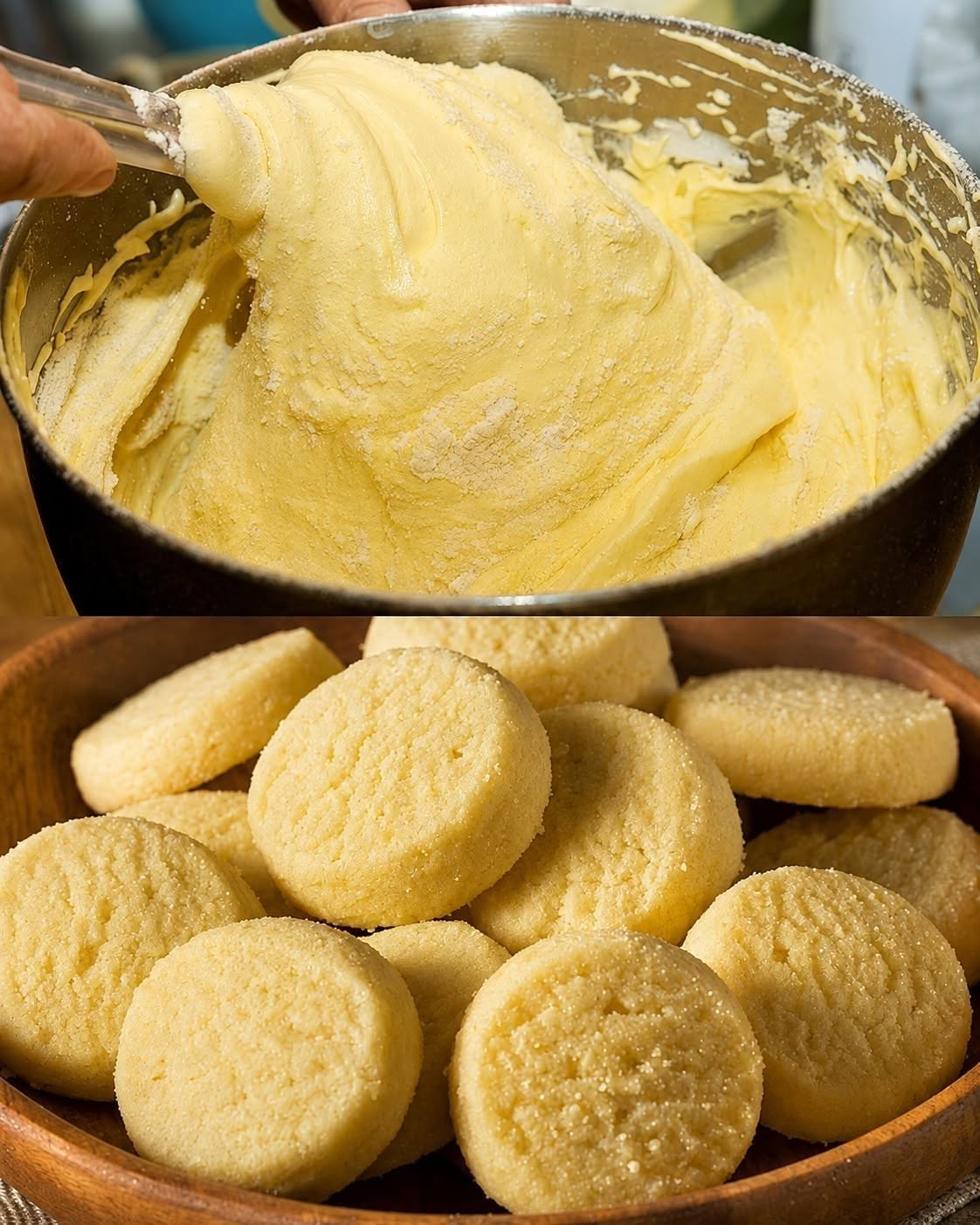
-
Prep Time: 15 minutes
-
Chilling Time: 30 minutes
-
Baking Time: 20 to 25 minutes
-
Total Time: Approximately 1 hour 10 minutes
-
Yield: 16 to 20 shortbread fingers or cutouts
-
Oven Intensity / Temperature: 350°F (175°C) for standard conventional ovens, or 325°F (160°C) for convection/fan-assisted ovens.
The Story Behind the Shortbread
Originating in Scotland, traditional shortbread traces its roots back to medieval times, evolving from leftover sweetened bread dough into the high-butter, unleavened delight we know today. The secret to authentic shortbread lies in simplicity: high-quality butter, sugar, and flour. Because there are no chemical leavening agents like baking powder or baking soda, the structure and flavor depend entirely on proper technique and quality ingredients.
Ingredients
To achieve the best possible texture and taste, use the finest ingredients available.
-
1 cup (225g) Unsalted Butter: Room temperature, soft but not melted. High-fat European-style butter yields the richest flavor.
-
½ cup (60g) Powdered Sugar (Confectioners’ Sugar): Gives the cookies their tender, silky crumb. (Granulated sugar can be substituted for a slightly crunchier texture).
-
½ teaspoon Pure Vanilla Extract: Adds depth and enhances the natural flavor of the butter.
-
2 cups (250g) All-Purpose Flour: Spooned and leveled to prevent dense dough.
-
½ teaspoon Fine Sea Salt: Balances the sweetness and amplifies the buttery notes.
Optional Variation: Add 2 tablespoons of cornstarch (replacing 2 tablespoons of flour) for an extra tender, melt-in-your-mouth consistency.
Step-by-Step Baking Instructions
Step 1: Cream the Butter and Sugar
-
Place the softened unsalted butter and powdered sugar in a large mixing bowl.
-
Using a hand mixer or stand mixer fitted with the paddle attachment, cream the ingredients on medium intensity for 2 to 3 minutes until the mixture is light, fluffy, and smooth.
-
Stir in the vanilla extract until fully incorporated.
Step 2: Combine Dry Ingredients
-
In a separate bowl, whisk together the all-purpose flour and fine sea salt.
-
Set your mixer to low intensity and gradually add the dry ingredients to the butter mixture.
-
Mix just until a cohesive dough forms. Avoid overmixing, as working the gluten too much will result in tough cookies rather than tender ones.
Step 3: Shape and Chill
-
Turn the dough out onto a piece of plastic wrap or parchment paper.
-
For Shortbread Fingers/Rectangle: Press the dough into an 8×8-inch square pan lined with parchment paper, or shape it into a flat rectangle about ½-inch thick.
-
For Cutouts: Wrap the dough disc tightly and chill.
-
Chill in the refrigerator for at least 30 minutes. Chilling solidifies the butter, ensuring the cookies keep their distinct shape in the oven without spreading excessively.
Step 4: Slice and Prick
-
Preheat your oven to 350°F (175°C). Line a large baking sheet with parchment paper.
-
If using a pre-pressed slab, remove it from the refrigerator and slice it into 16 evenly sized rectangular fingers. Transfer them to the prepared baking sheet, leaving about 1 inch of space between each piece.
-
Use the tines of a fork to prick holes (docking) across the top of each cookie. This classic decorative pattern also allows steam to escape during baking, ensuring an even bake.
Step 5: Bake to Golden Perfection
-
Bake on the center rack at 350°F (175°C) for 20 to 25 minutes.
-
Keep an eye on the oven intensity during the final minutes: the cookies should remain pale on top with light golden edges.
-
Remove from the oven and let the cookies sit on the hot baking sheet for 5 minutes to set, then transfer them carefully to a wire rack to cool completely.
Pro Tips for Perfection
-
Butter Quality Matters: Since butter is the primary flavor driver, choosing high-quality cultured or European butter makes a noticeable difference.
-
Do Not Overwork the Dough: Handle the dough gently after adding the flour to preserve the signature short crumb.
-
Temperature Control: If the dough becomes too warm or sticky at any point during handling, return it to the refrigerator for 10 minutes before continuing.
Creative Variations
-
Chocolate Dipped: Melt dark or milk chocolate and dip half of each cooled shortbread cookie into it. Sprinkle with flaky sea salt before the chocolate sets.
-
Lemon Zest & Herb: Mix 1 tablespoon of freshly grated lemon zest and 1 teaspoon of finely chopped fresh rosemary into the butter mixture.
-
Warm Spice: Add ½ teaspoon of ground cinnamon and a pinch of ground nutmeg to the flour for a cozy autumn version.
Storage & Shelf Life
-
Room Temperature: Store baked shortbread cookies in an airtight container at room temperature for up to 2 weeks. They actually improve in flavor after a day or two as the butter settles.
-
Freezing: You can freeze the baked cookies or unbaked dough shapes for up to 3 months. Wrap tightly in plastic wrap and place in a freezer-safe bag or container. Thaw at room temperature before serving or bake frozen dough slices adding 2 to 3 extra minutes to the bake time.
Comprehensive Nutrition Information
Servings Per Recipe: 16 shortbread cookies
Serving Size: 1 shortbread cookie (approx. 32g)
| Nutrient | Amount Per Serving | % Daily Value* |
| Calories | 155 kcal | — |
| Total Fat | 11.5 g | 15% |
| – Saturated Fat | 7.2 g | 36% |
| – Trans Fat | 0.3 g | — |
| Cholesterol | 30 mg | 10% |
| Sodium | 73 mg | 3% |
| Total Carbohydrate | 16 g | 6% |
| – Dietary Fiber | 0.5 g | 2% |
| – Total Sugars | 4 g | — |
| — Includes Added Sugars | 4 g | 8% |
| Protein | 1.8 g | 4% |
| Vitamin D | 0.3 mcg | 2% |
| Calcium | 6 mg | 0% |
| Iron | 0.8 mg | 4% |
| Potassium | 22 mg | 0% |
