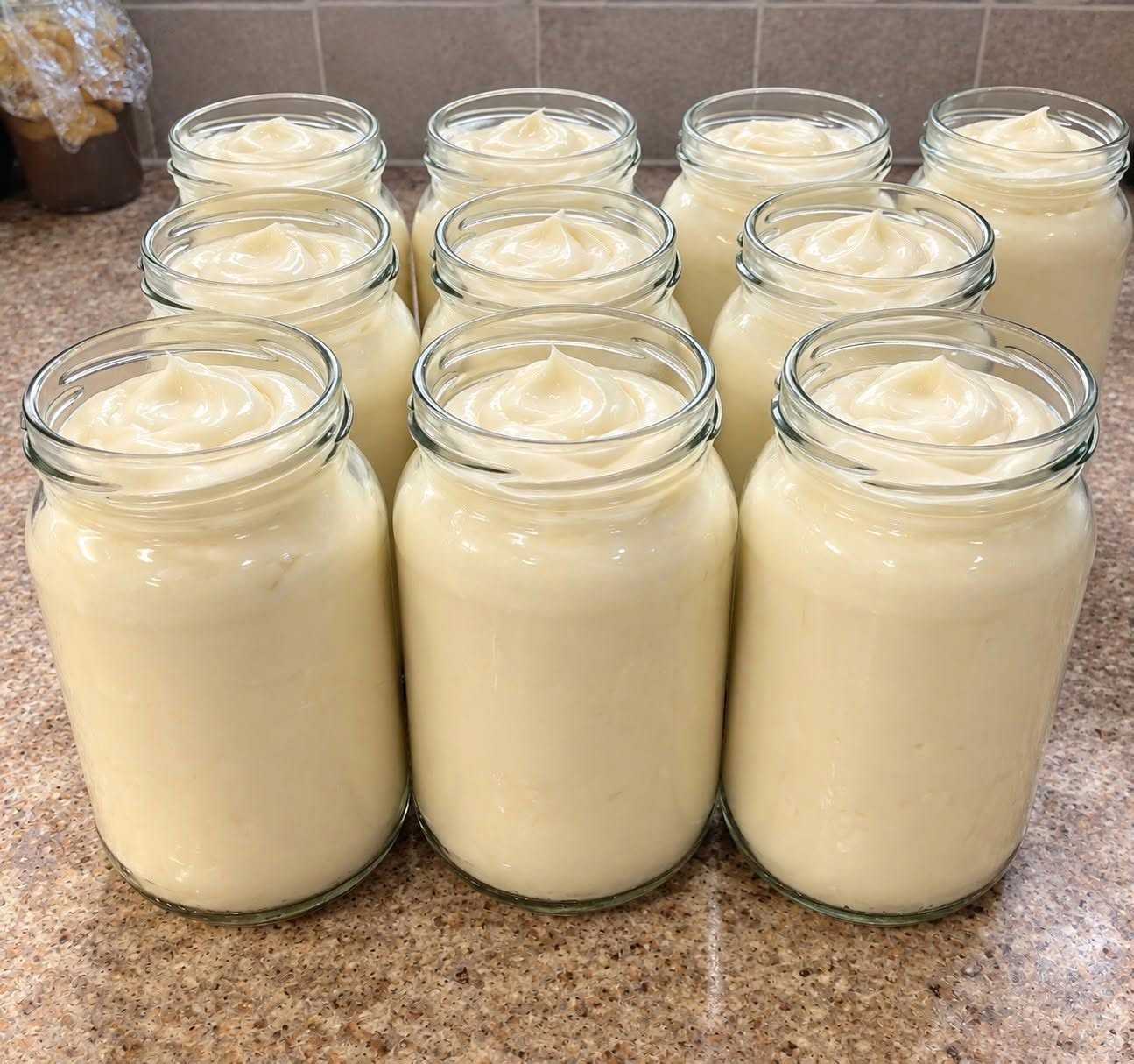
-
Prep Time: 10 Minutes
-
Emulsification/Blending Time: 5 Minutes
-
Total Time: 15 Minutes
-
Yield: Approx. 1.25 Cups (20 Tablespoon Servings)
-
Skill Level & Recipe Intensity: Moderate (Requires precise oil addition rate to establish a stable emulsion, though an immersion blender or food processor makes it virtually foolproof).
Culinary Profile & Recipe Intensity Breakdown
Understanding the technical aspects of mayonnaise emulsion helps guarantee success on your first attempt:
-
Emulsification Intensity (High): Mayonnaise is a permanent emulsion of tiny oil droplets suspended within a water-based phase composed of egg yolks, vinegar, and seasonings. The speed and technique of oil incorporation dictate the thickness and glossiness of the final sauce.
-
Flavor Intensity (Balanced Medium): Unlike extra-tangy regional styles or heavily spiced garlic aiolis, Heinz Mayonnaise relies on a smooth, rounded flavor profile. The subtle sweetness counteracts the sharp spirit vinegar, while a touch of mustard seed powder offers structural depth without overpowering the palate.
-
Texture Intensity (Rich & Thick): To match the signature spoonable firmness of store-bought Heinz, this formula incorporates a simple, optional cooked starch slurry alongside rich egg yolk, mimicking the commercial stabilizer matrix that prevents liquid separation during storage.
Equipment Needed
-
Food Processor, High-Speed Blender, or Immersion Blender (Stick Blender)
-
Measuring Cups and Spoons
-
Small Saucepan (if using the optional starch stabilizer method)
-
Whisk and Glass Prep Bowls
-
Airtight Glass Jar (such as a Mason jar) for storage
Ingredients
To replicate the authentic flavor profile of Heinz Mayonnaise, select clean, neutral ingredients:
The Core Emulsion
-
1 cup (240 ml) Neutral Cooking Oil: Rapeseed oil (canola) or light sunflower oil works best to achieve the authentic light-yellow tint and clean taste. Avoid strong extra-virgin olive oils, as their heavy flavor will overwhelm the delicate copycat profile.
-
2 Large Pasteurized Egg Yolks (at room temperature): Egg yolk lecithin is the natural primary emulsifier that binds the oil and water together. Using room-temperature eggs allows for easier emulsification.
-
1.5 tablespoons (22.5 ml) Distilled White Spirit Vinegar: Delivers that signature bright, clean acidity characteristic of Heinz.
-
1 teaspoon (5 ml) Water: Helps dissolve the dry seasonings and provides initial liquid volume for the emulsion.
Seasonings & Flavor Enhancers
-
1 teaspoon (4 g) Fine Granulated Sugar: Essential for matching the mild signature sweetness of Heinz.
-
1/2 teaspoon (2.5 g) Fine Sea Salt: Enhances the savory profile.
-
1/4 teaspoon (0.75 g) Yellow Mustard Powder or Ground Mustard Seed: Adds mild spice notes and extra structural stability.
-
Pinch of White Pepper or Onion Powder (Optional): Adds subtle background depth.
Optional Commercial Texture Stabilizer (Starch Slurry)
-
1 teaspoon Cornstarch dissolved in 2 tablespoons cold water: Cooked briefly until clear and cool, this creates the signature thick, silky commercial mouthfeel.
Step-by-Step Instructions
Step 1: Prep the Starch Stabilizer (Optional)
If you prefer a lighter, strictly egg-emulsified mayo, skip to Step 2. For the exact commercial “spoonable” thickness of Heinz:
-
In a small saucepan, combine 1 teaspoon cornstarch with 2 tablespoons of cold water.
-
Heat over low flame while stirring constantly until the mixture thickens into a clear, gel-like slurry (about 1–2 minutes).
-
Remove from heat immediately and allow it to cool completely to room temperature before adding it to your mayonnaise base.
Step 2: Combine the Flavor Base
-
In the bowl of a food processor or a tall glass beaker (if using an immersion blender), add the 2 egg yolks, spirit vinegar, water, sugar, salt, ground mustard, and cooled cornstarch slurry (if using).
-
Blend on medium speed for 30–45 seconds until the mixture turns pale yellow, fully combined, and frothy.
Step 3: Begin the Emulsification (High-Intensity Phase)
-
With the motor running continuously on medium-high speed, begin adding the neutral oil drop by drop.
-
Crucial Tip: Do not rush the first 2 tablespoons of oil. Adding the oil too rapidly before the initial emulsion forms will cause the mixture to break (separate into oily liquid).
-
Once the sauce begins to visibly thicken and turn opaque white, you can increase the flow of oil to a slow, steady, thin drizzle while continuing to blend uninterrupted.
Step 4: Final Adjustments & Storage
-
Once all the oil is incorporated, stop blending and scrape down the sides of the container with a rubber spatula.
-
Taste the mayonnaise. Adjust seasoning if desired with an additional pinch of salt or a drop of vinegar for extra sharpness.
-
Transfer the completed mayonnaise into a clean, airtight glass jar.
-
Cover tightly and refrigerate for at least 1–2 hours before serving to allow the flavors to harmonize and the texture to fully set.
Chef’s Tips for Success
-
Temperature Control: Cold ingredients do not emulsify as efficiently as room-temperature ones. Ensure your egg yolks and vinegar are at room temperature before starting.
-
Fixing a Broken Mayonnaise: If your mixture separates into a oily slurry, do not throw it away! In a separate clean bowl, blend 1 fresh egg yolk with 1 teaspoon of water. Slowly drizzle the broken mayonnaise mixture into the new egg yolk, a few drops at a time, until the emulsion re-forms into a thick sauce.
-
Shelf Life & Safety: Because this recipe contains fresh pasteurized egg yolks, store it continuously in the refrigerator between 35°F and 40°F (2°C–4°C). Consume within 7 to 10 days.
Complete Nutritional Information
Nutritional values are calculated per single serving size (1 tablespoon / ~15 grams).
-
Servings Per Recipe: 20
-
Serving Size: 1 tbsp (15g)
| Nutrient | Amount Per Serving | % Daily Value* |
| Calories | 100 kcal | — |
| Total Fat | 11 g | 14% |
| – Saturated Fat | 1.5 g | 8% |
| – Polyunsaturated Fat | 3 g | — |
| – Monounsaturated Fat | 6.5 g | — |
| Trans Fat | 0 g | — |
| Cholesterol | 20 mg | 7% |
| Sodium | 60 mg | 3% |
| Total Carbohydrate | 0.3 g | 0% |
| – Dietary Fiber | 0 g | 0% |
| – Total Sugars | 0.2 g | — |
| – Added Sugars | 0.2 g | 0% |
| Protein | 0.3 g | 1% |
| Vitamin D | 0.2 mcg | 1% |
| Calcium | 3 mg | 0% |
| Iron | 0.1 mg | 0% |
| Potassium | 5 mg | 0% |
