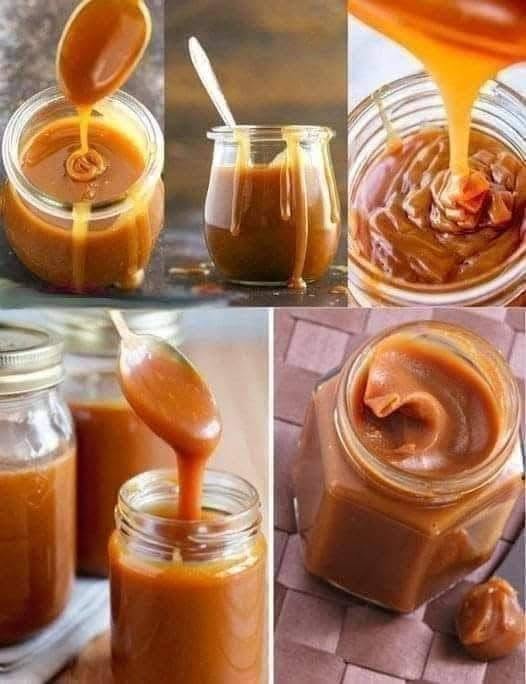
| Metric | Details |
| Recipe Name | Salted Butter Caramel Sauce |
| Prep Time | 5 minutes |
| Cook Time | 10 minutes |
| Total Time | 15 minutes (plus cooling time) |
| Difficulty / Intensity | Medium (Requires active visual attention and rapid whisking during the final stages) |
| Heat Intensity | Medium-High to melt sugar, dropping to Medium-Low when incorporating dairy |
| Flavor Intensity | Bold, sweet-savory, deeply toasted with a pronounced flaky salt finish |
| Yield | 1 ¼ cups (approx. 10 servings of 2 tablespoons each) |
Why This Recipe Works
Many home cooks hesitate to make caramel out of fear of crystallization or burning. This recipe uses the dry caramel method, meaning you melt granulated sugar directly in the pan without adding water. While the wet method requires longer boiling times and risks sugar crystals forming along the sides of the pot, the dry method melts quickly and gives you immediate visual control over the color and depth of flavor.
Using salted butter alongside a finishing pinch of flaky sea salt (such as Maldon or fleur de sel) builds layers of salinity rather than a one-note salty taste. The milk solids in the butter brown slightly upon hitting the hot sugar, adding subtle nutty, butterscotch undertones that set authentic French caramel apart.
Ingredients
Gather and measure every ingredient before turning on the stove. Caramelization happens fast, and stepping away to measure cream can push the sugar from amber to burnt in seconds.
-
1 cup (200g) granulated white sugar: Pure cane sugar melts evenly and gives you a clean, predictable caramelization curve. Avoid brown sugar here, as its molasses content masks the visual color cues needed to prevent burning.
-
6 tablespoons (85g) salted butter, room temperature, cut into 6 equal pieces: Cutting the butter into smaller, room-temperature cubes ensures it melts rapidly and emulsifies smoothly into the hot sugar without dropping the pan’s temperature too drastically.
-
½ cup (120ml) heavy whipping cream, room temperature: Cold cream will cause the molten sugar to seize violently and splatter. Let your cream sit on the counter for 20 minutes beforehand, or warm it in the microwave for 15–20 seconds until the chill is gone.
-
1 teaspoon flaky sea salt (or ½ teaspoon fine sea salt): Add more or less depending on how pronounced you want the savory contrast.
-
½ teaspoon pure vanilla extract (optional): Stirred in at the very end to round out the toasted sugar notes.
Step-by-Step Instructions
1. Prepare Your Workspace and Pan
Choose a heavy-bottomed, light-colored stainless steel saucepan with high sides (at least 2 to 3 quarts). A light-colored interior is essential because it lets you accurately judge the exact shade of the caramel as it darkens—dark nonstick pans hide the color until it is too late. High sides protect your hands and stovetop when the cream bubbles up. Set your measured butter, room-temperature cream, sea salt, and a heatproof whisk right next to the burner.
2. Melt the Sugar (Heat Intensity: Medium-High)
Pour the 1 cup of granulated sugar in an even layer across the bottom of the dry saucepan. Turn the burner to medium-high heat. Do not stir yet—let the heat work undisturbed for the first 2 to 3 minutes until you see the edges of the sugar begin to liquefy and turn clear. Once melting starts, use a heatproof silicone spatula or wooden spoon to gently push the melted sugar from the outer edges toward the center so it heats evenly. Continue stirring gently as clumps form and gradually dissolve into a smooth liquid.
3. Caramelize to Deep Amber (Heat Intensity: Medium)
Once all the sugar has melted and no dry granules remain, lower the heat to medium and stop stirring—swirl the pan gently by the handle instead. Watch the color closely as it transitions from pale golden yellow to honey, and finally to a rich, deep copper-amber (similar to the color of an old copper penny). You will smell a distinct, nutty, toasted aroma and see wispy smoke beginning to rise. Immediately proceed to the next step; waiting even 10 seconds too long will turn the caramel bitter.
4. Whisk in the Salted Butter (Heat Intensity: Medium-Low)
Reduce the heat to medium-low and immediately drop in all 6 pieces of room-temperature salted butter. Whisk vigorously and continuously. The mixture will bubble up rapidly and look separated at first—keep whisking steadily for about 1 to 2 minutes until the butter completely melts and emulsifies into a glossy, uniform mixture.
5. Slowly Stream in the Heavy Cream (Heat Intensity: Low)
Remove the pan from the heat entirely or drop the burner to low. Slowly pour the room-temperature heavy cream into the pan in a thin, steady stream while whisking constantly. The caramel will surge and steam vigorously as the moisture hits the hot sugar—keep your hands clear of the steam and continue whisking until all the cream is incorporated and the sauce turns smooth, silky, and homogenous.
6. Season and Cool
Return the pan to low heat for 30 to 60 seconds if any small hardened sugar bits remain, whisking until completely dissolved. Remove from the stove and stir in the flaky sea salt and vanilla extract. Let the caramel cool in the pan for 10 to 15 minutes—it will look quite thin while piping hot, but it thickens dramatically as it cools. Transfer to a clean glass jar or airtight container.
Storage & Shelf Life
-
Room Temperature: Keep in a sealed glass jar at cool room temperature for up to 3 days for an effortless, pourable consistency.
-
Refrigerator: Store in an airtight jar in the refrigerator for up to 2 weeks. Cold caramel will firm up into a thick, spreadable paste; simply microwave it in 10-second bursts or set the jar in a bowl of warm water for a few minutes to restore its silky pour.
-
Freezer: Freeze in a freezer-safe container for up to 3 months. Thaw overnight in the refrigerator before gently reheating.
Troubleshooting Quick Tips
-
Clumpy or Seized Sugar: If adding the butter or cream causes hardened lumps of sugar to form, do not panic. Place the saucepan back over very low heat and stir patiently until the gentle warmth melts the lumps back into the liquid.
-
Broken or Greasy Sauce: If the butter separates and floats on top, remove the pan from the heat, add 1 tablespoon of warm heavy cream or warm water, and whisk briskly to bring the emulsion back together.
Nutrition Information
Serving Size: 2 tablespoons (approx. 38g) | Servings per Recipe: 10
| Nutrient | Amount per Serving | % Daily Value* |
| Calories | 185 kcal | 9% |
| Total Fat | 11.2g | 14% |
| Saturated Fat | 7.0g | 35% |
| Trans Fat | 0.3g | — |
| Cholesterol | 33mg | 11% |
| Sodium | 245mg | 11% |
| Total Carbohydrates | 20.4g | 7% |
| Dietary Fiber | 0g | 0% |
| Total Sugars | 20.4g | — |
| Added Sugars | 20.0g | 40% |
| Protein | 0.4g | 1% |
