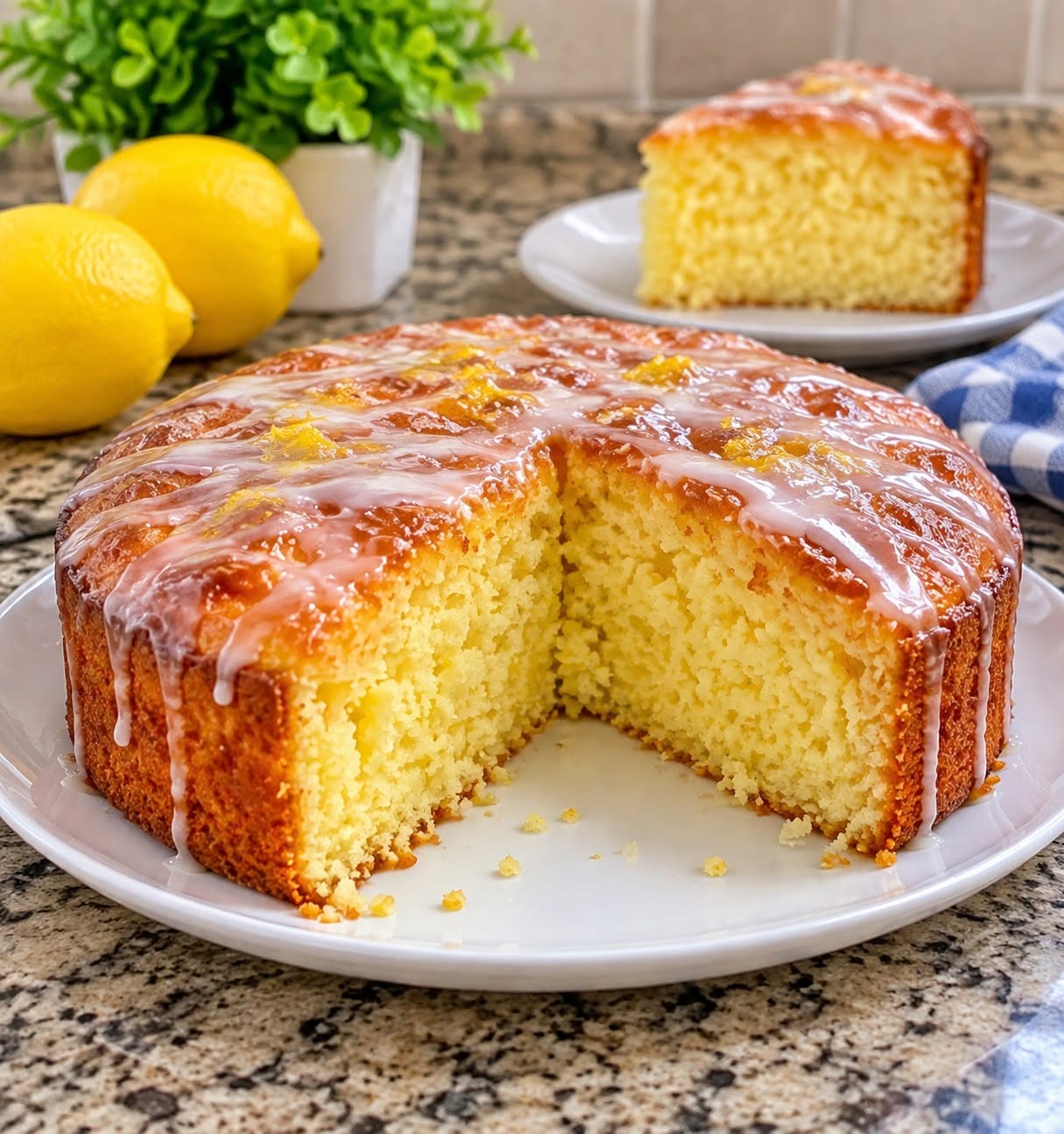
-
Prep Time: 15 minutes
-
Cook Time: 45 minutes
-
Cooling Time: 30 minutes
-
Total Time: 1 hour 30 minutes
-
Yield / Servings: 10 slices
-
Cuisine: Low-Carb / Keto / American
Recipe Intensity & Kitchen Metrics
Understanding the “intensity” or operational demands of a recipe helps you plan your kitchen workflow smoothly. Below is a breakdown of what to expect during preparation:
-
Physical Skill Intensity: Low (1 / 5)
No complex baking techniques (like whipping egg whites to soft peaks or tempering chocolate) are required. Simple whisking and gentle folding are all it takes to build the batter.
-
Equipment Intensity: Low
Requires standard kitchen items: a 9×5-inch loaf pan, two mixing bowls, a manual whisk, a rubber spatula, and a microplane or lemon zester.
-
Timing & Attention Intensity: Medium
While preparation is rapid, baking requires periodic checking toward the end of the cooking cycle to ensure the top browns nicely without scorching.
-
Flavor Profile: Zesty, citrus-forward, buttery, mildly sweet, and lightly tangy from the yogurt.
Ingredients
For the Keto Lemon Cake:
-
2 cups (200g) Super-fine bleached almond flour (packed)
-
1/4 cup (28g) Coconut flour (sifted to prevent lumps)
-
1/2 cup (96g) Granulated erythritol or monk fruit sweetener (e.g., Lakanto Classic)
-
1 1/2 tsp Baking powder
-
1/4 tsp Fine sea salt
-
3 large Eggs, room temperature
-
1/2 cup (120g) Full-fat Plain Greek Yogurt (or full-fat sour cream)
-
1/4 cup (56g) Unsalted butter, melted and slightly cooled
-
1/4 cup (60ml) Freshly squeezed lemon juice (approx. 2 medium lemons)
-
2 tbsp Fresh lemon zest (from about 2 lemons)
-
1 tsp Pure vanilla extract
For the Sugar-Free Lemon Glaze:
-
1/2 cup (60g) Powdered monk fruit/erythritol sweetener (e.g., Swerve Confectioners)
-
1 to 2 tbsp Fresh lemon juice
-
1 tbsp Unsweetened almond milk or heavy cream (optional, for desired consistency)
Step-by-Step Instructions
1. Preparation & Preheating
-
Preheat your oven to 350°F (175°C) with a rack set in the center position.
-
Prepare the loaf pan: Line a standard 9×5-inch loaf pan with parchment paper, leaving a slight overhang on the sides for easy removal later. Lightly spray the paper with non-stick cooking spray (such as coconut oil or avocado oil spray).
2. Mix the Dry Ingredients
-
In a large bowl, whisk together the almond flour, coconut flour, granulated sweetener, baking powder, and sea salt.
-
Ensure there are no clumps in the coconut or almond flour for an even crumb structure.
3. Combine the Wet Ingredients
-
In a separate medium bowl, whisk the 3 room-temperature eggs until light and cohesive.
-
Add the full-fat Greek yogurt, melted butter, fresh lemon juice, lemon zest, and vanilla extract. Whisk thoroughly until fully blended and smooth.
4. Assemble the Batter
-
Pour the wet mixture into the bowl with the dry ingredients.
-
Using a rubber spatula, gently fold and stir the ingredients together until a thick, uniform batter forms. Avoid over-mixing, but ensure all dry pockets are fully incorporated.
-
Allow the batter to rest for 2 to 3 minutes. Note: Coconut flour absorbs liquid quickly, so resting helps the batter achieve the ideal consistency before baking.
5. Bake to Perfection
-
Transfer the batter into the prepared loaf pan, smoothing the top with your spatula.
-
Place in the preheated oven and bake for 40 to 45 minutes.
-
Tent with foil: Check the cake at around the 25–30 minute mark. If the top is browning too quickly, loosely tent a piece of aluminum foil over the loaf pan and return it to the oven.
-
Testing for doneness: Insert a toothpick into the center of the loaf. It should come out clean or with just a few dry crumbs attached.
6. Cooling & Glazing
-
Remove the cake from the oven and set the pan on a wire cooling rack for 15 to 20 minutes.
-
Use the parchment paper handles to lift the loaf out of the pan and place it directly onto the cooling rack. Allow it to cool completely (about 30 minutes to an hour) before applying the glaze; glazing a warm cake will cause the sweetener to melt off.
-
Prepare the glaze: In a small bowl, whisk together the powdered sweetener and 1 tablespoon of fresh lemon juice. Add additional lemon juice or milk a few drops at a time until a smooth, pourable glaze is achieved.
-
Drizzle the glaze evenly over the cooled loaf and let it set for 10 minutes.
Pro Tips for Low-Carb Baking Success
-
Measure Flour Accurately: Almond and coconut flours vary greatly in density. Spoon the flours into your measuring cups and level them off with a knife rather than scooping directly from the bag.
-
Room Temperature Eggs: Cold eggs can re-solidify melted butter, resulting in a lumpy batter. Bring your eggs to room temperature quickly by placing them in a bowl of warm water for 5 minutes before crack-testing.
-
Choosing Yogurt: Ensure you choose a full-fat plain Greek yogurt with minimal added sugar/carbs. Full-fat yogurt gives low-carb baked goods a moist crumb texture similar to traditional sour cream cakes.
Storage & Shelf-Life
-
Room Temperature: Store tightly covered in an airtight container for up to 3 days in a cool spot.
-
Refrigeration: Keep in the refrigerator for up to 7 days. The cake becomes firmer and even moister when chilled!
-
Freezing: Slice the cake into individual portions, wrap each slice tightly in plastic wrap, and store in a freezer-safe bag for up to 3 months. Thaw in the fridge overnight or at room temperature for 20 minutes before serving.
Nutritional Information
(Calculated per slice based on 10 equal servings, including the sugar-free glaze)
| Nutrient | Amount Per Serving |
| Calories | 215 kcal |
| Total Fat | 18 g |
| – Saturated Fat | 5 g |
| Total Carbohydrates | 7.5 g |
| – Dietary Fiber | 3.5 g |
| – Sugar Alcohols (Erythritol) | 2 g |
| Net Carbohydrates | 2.0 g |
| Protein | 7.5 g |
| Sodium | 140 mg |
| Calcium | 75 mg |
